




Where Is Glycerin Extracted From?
Glycerin, also known as glycerol or glycerine, is a simple, colorless, and odorless liquid with a sweet taste and a thick, syrupy consistency. It is a remarkably versatile compound, found in everything from moisturizing soaps and lotions to food preservatives and pharmaceutical cough syrups. Despite its widespread use, glycerin is not typically mined or synthesized from raw elements in a factory; instead, it is almost always extracted as a byproduct of other industrial processes. The two primary sources of glycerin are natural fats and oils and petroleum-based chemical synthesis.
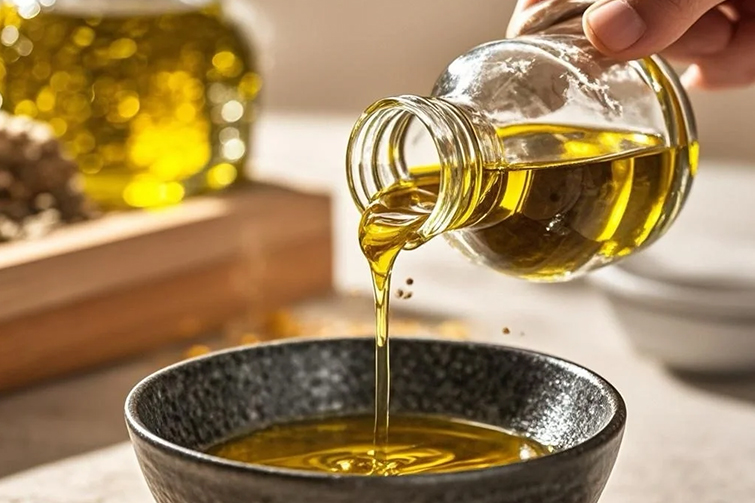
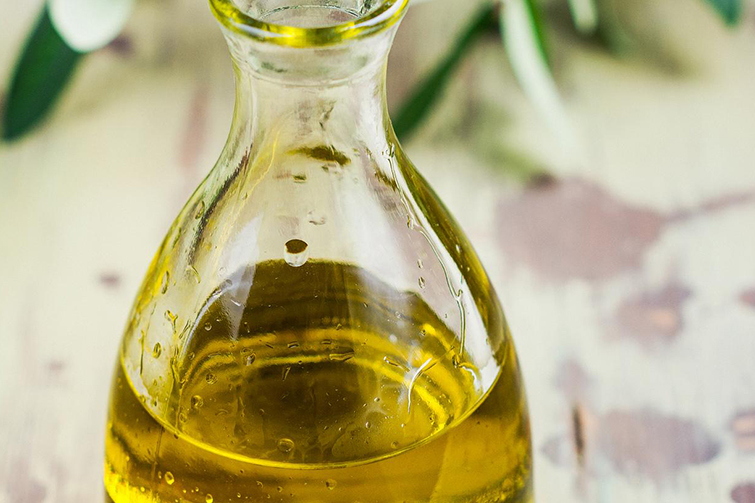
Traditionally and most commonly, glycerin is extracted from natural fats and oils. This occurs during the production of biodiesel and the manufacturing of soaps. Fats and oils—whether from plants like soybeans, palm, and coconut, or from animal sources like tallow—are chemically composed of triglycerides. These triglycerides are molecules made up of glycerol bonded to three fatty acids. To obtain glycerin, this bond must be broken through a process called hydrolysis or transesterification.
In the soap-making process, fats are treated with a strong alkali, such as lye, in a reaction called saponification. This process splits the triglyceride, releasing the fatty acids to form soap and freeing the glycerin as a byproduct. In the modern industrial production of biodiesel, a similar splitting occurs. Vegetable oils or animal fats are mixed with an alcohol (like methanol) and a catalyst. This process, known as transesterification, produces biodiesel (the fatty acid esters) and crude glycerin as a separate layer. This crude glycerin is then purified through distillation and filtration to remove water, alcohol, and other impurities, resulting in the high-purity glycerin used in food, cosmetics, and medicine.
The second major source of glycerin is synthetic production, derived from petrochemicals. While natural glycerin from plant and animal sources dominates the market due to the boom in biodiesel production, synthetic glycerin is still manufactured. This process typically begins with propylene, a hydrocarbon obtained from petroleum refining or natural gas processing. Through a series of chemical reactions—such as the epichlorohydrin process—propylene can be converted into synthetic glycerin. Chemically, synthetic glycerin is identical to natural glycerin, but it is produced without using any plant or animal starting materials.
In addition to these primary methods, a small amount of glycerin is also generated as a byproduct in other fermentation processes, such as the production of ethanol or certain types of wine. Furthermore, glycerin can be produced through microbial fermentation of sugars, though this is less common on a large industrial scale.
In summary, glycerin is extracted from two main sources. The vast majority comes from the breakdown of natural triglycerides found in plant oils (like palm, soybean, and coconut) and animal fats during the creation of soap and biodiesel. The remainder is manufactured synthetically from propylene, a derivative of petroleum. This dual origin ensures a steady supply of this indispensable compound for countless applications in our daily lives.