





What Are Fatty Acids Used For?
Fatty acids are fundamental components of fats and oils, playing a crucial role in both the human body and a vast array of industrial applications. Far from being a single substance, they are a diverse family of molecules, each with unique properties and functions. Their uses can be broadly categorized into biological roles within living organisms and practical applications in industry and daily life.
In the human body, fatty acids are essential for health and survival. They serve as a primary source of energy, providing more than twice the energy of carbohydrates or proteins per gram. Beyond fuel, they are the building blocks for cell membranes, forming the lipid bilayer that controls what enters and leaves every cell. Certain specific fatty acids, known as essential fatty acids like omega-3 and omega-6, cannot be produced by the body and must be obtained from food. These are critical for brain development, reducing inflammation, and maintaining healthy skin and hair. Fatty acids also act as chemical messengers, influencing gene expression and helping to regulate blood pressure, immune responses, and blood clotting.
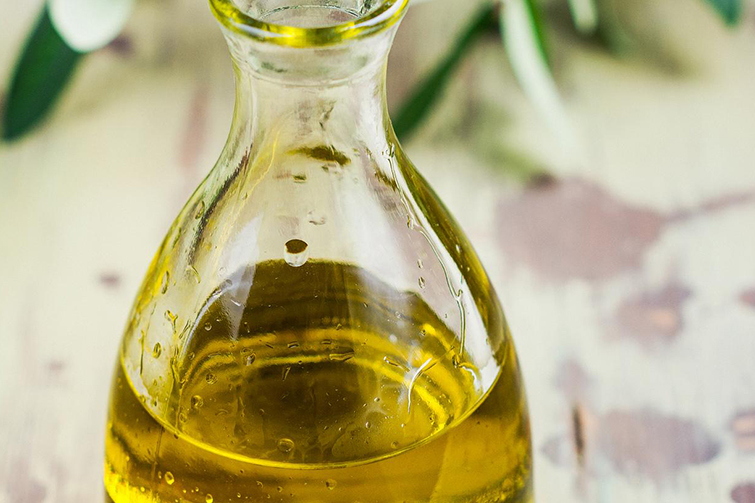
In the culinary world, fatty acids define the very nature of cooking fats and oils. The specific mix of saturated, monounsaturated, and polyunsaturated fatty acids in an oil determines its physical properties. For instance, oils high in saturated fatty acids, like coconut oil, tend to be solid at room temperature and are stable for high-heat cooking like frying. In contrast, oils rich in polyunsaturated fatty acids, such as sunflower or flaxseed oil, are liquid and better suited for salad dressings or low-heat applications. Furthermore, fatty acids are responsible for the flavors and aromas in foods. They can carry fat-soluble vitamins (A, D, E, and K) and contribute to the satisfying texture and mouthfeel of many dishes.
The industrial applications of fatty acids are remarkably diverse. They are the starting point for producing soaps and detergents. When fatty acids are combined with an alkali in a process called saponification, they create the cleansing molecules that lift dirt and grease. In the cosmetics and personal care industry, they are used to create moisturizers, creams, lotions, and shampoos, where they act as emulsifiers, helping to blend water and oil-based ingredients, and as emollients to soften the skin. Fatty acids are also key ingredients in the production of paints, varnishes, and lubricants, where they can improve durability and reduce friction.
Additionally, fatty acids have important pharmaceutical and nutritional applications. They are used to create supplements, such as fish oil capsules rich in omega-3s, to support heart and joint health. They can act as carriers for certain medications, improving their absorption by the body. In animal feed, they are added to ensure the health and growth of livestock.
In summary, fatty acids are indispensable molecules. They are the foundational pillars of our biology, the defining characteristics of our cooking oils, and versatile workhorses in countless industrial and consumer products. From the cell membranes in our bodies to the soap we use and the food we eat, fatty acids are quietly at work, performing an astonishing range of essential functions.